June 4, 2026 by Margie Navarro
Ingredient Spotlight: Chrysanthemum
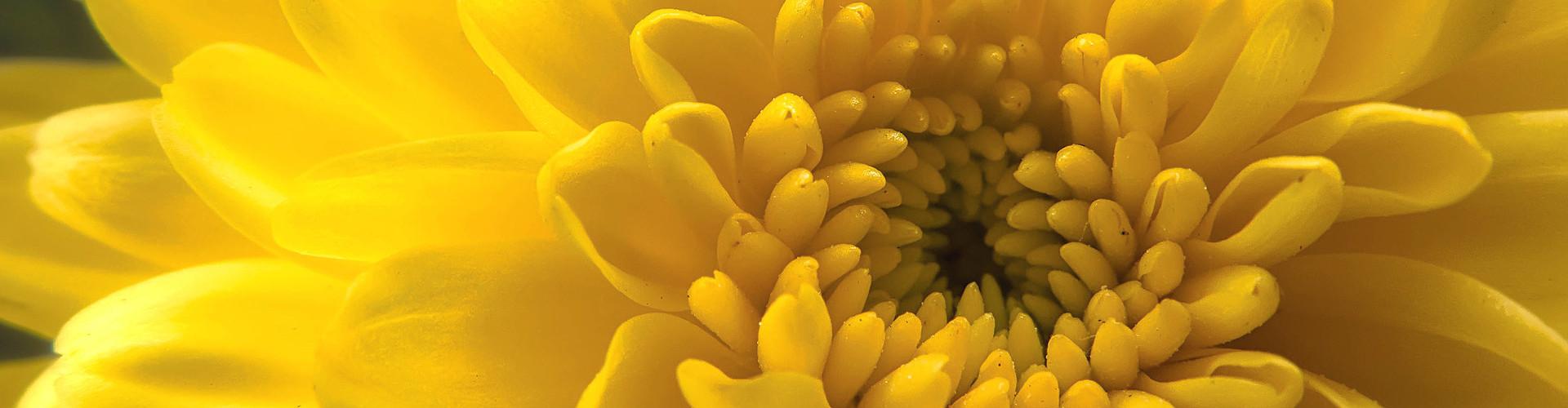
In the vast realm of herbal teas, chrysanthemum tea stands as a delightful and venerable infusion, boasting an intricate cultural history interwoven with medicinal uses. Brewing the flower as a tea originated in China around the Song Dynasty (960-1279), where its cultivation became an integral part of society. People appreciated the flower’s radiant beauty, but it was the bloom’s therapeutic properties that elevated its status. Celebrated in Chinese traditional medicine for centuries, chrysanthemum tea has been praised for its capacity to cool the body, stabilize mood, improve eyesight, and ease headaches.
Distinct in their appearance and healing characteristics, yellow and white chrysanthemum teas have fascinating histories of their own. The yellow chrysanthemum, known as Huang Ju Hua, often represents vitality and longevity in Chinese culture. Tradition holds that the yellow variety is beneficial for detoxification, treating high blood pressure, and easing symptoms of common colds, such as fever and sore throat.
On the other hand, the white chrysanthemum, or Bai Ju Hua, has a more tranquilizing reputation. Widely used for its soothing effects, it’s touted as a stress reliever and is believed to promote clear eyesight. Its cooling nature is also beneficial for treating heatstroke and inflammation.
Chrysanthemum also carved its niche in apothecaries of Korea, Japan and the West. The Korean version of chrysanthemum tea is known as Gukhwacha. This amber-hued tea is a staple during New Year celebrations, signifying a fresh, auspicious start. Japan’s affinity for chrysanthemum tea, or Kikuka Cha, is perhaps most evident in the Chrysanthemum Festival or the “Festival of Happiness.” Meanwhile, Western herbal medicine has welcomed chrysanthemum tea recognizing its antioxidant, anti-inflammatory, and calming properties.
Through the tapestry of time, chrysanthemum tea demonstrates significant cultural and medicinal roles. Its rich history elucidates why this herbal brew is a broad-range favorite. Savoring a cup of chrysanthemum tea not only offers a plethora of health benefits but also allows you to partake in a time-honored tradition that transcends continents.
Growing Conditions: Native to East Asia and Northeastern Europe, chrysanthemums generally prefer full sun but can use some afternoon shade in warmer climates. As shrub reaching 1-3 feet tall, they may be grown in planters indoors.
Harvest Recommendations: Chrysanthemums typically bloom for 4-8 weeks from early September to frost.
– Margie Navarro, certified herbalist & acupuncturist